
Pushing myself beyond the limits
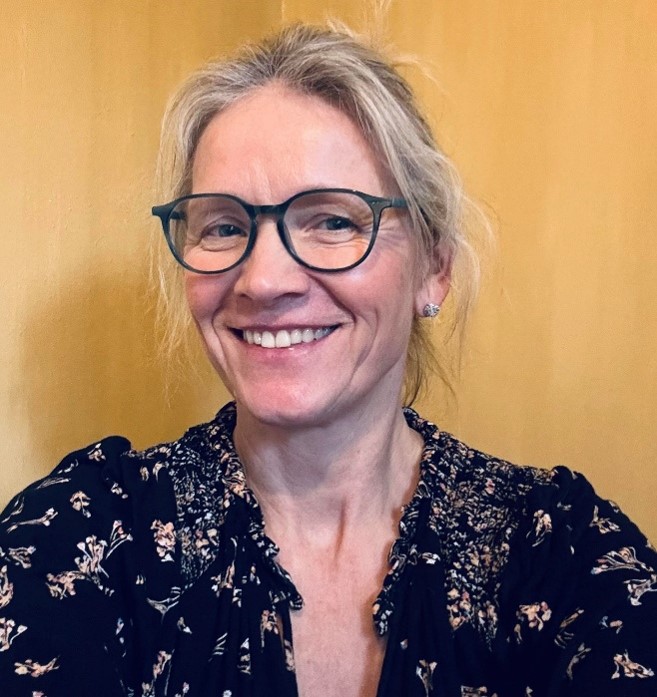
Dr Britta Maria Sorensen
In 1967, race officials physically tried to drag Kathrine Switzer off the Boston Marathon course. She finished anyway. Less than 60 years later, Shanda Hill became the first woman to complete a Continuous Triple Deca Triathlon, 30 Ironman distances in 45 days. When asked about the pain, she said simply: “If I have to crawl, I will cross that finish line.” Shanda’s drive denoted not just mental toughness, but a volitional pain tolerance to endure the intense physical pain sensations to achieve her performance goal.

Ultra endurance events encompass remarkable diversity in both format and context, ranging in distance and duration. Events take place across varied environmental conditions, including extreme desert heat to high-altitude mountain passages, creating diverse pain-inducing challenges. Events allow participants to choose to compete fully unsupported or with strict rules for competing and with a full crew support.
Pain Is Never Just Physical
The International Association for the Study of Pain defines pain as a personal experience, shaped by three domains: Biological: physical sensations, hormonal effects, injury signals; Psychological: mood/emotions, past experiences, coping strategies; Social: cultural norms, gender expectations, family roles. These domains interact dynamically and our research aim was to adopt a holistic picture, using what is called a biopsychosocial lens.
Why Does This Research Matter?
Female ultra-athletes face a distinct set of challenges. These include hormonal fluctuations across the menstrual cycle and contraceptive use, which can affect training recovery and symptom burden, societal expectations around toughness and femininity, and the practical realities of balancing intense training with family responsibilities. As part of my PhD thesis, I interviewed 13 experienced female athletes, competing in ultra trail running, triathlon, open-water swimming, cycling, and adventure racing, to explore what shaped their pain experiences (Sorensen et al., 2026). What they told us has real implications for interdisciplinary practitioners and athletes:
“I really pushed myself above and beyond the call of duties”
For the athletes, pain was an expected part of competing. Pain tolerance levels were influenced by previous trauma and life experiences which transferred to reframing sport-related pain as something far easier to manage:
"Ultra-running has taught me what would have taken decades of therapy…you must be in touch with your core values and who you are, how you react to pain"
We found a striking tension between mental and physical well-being creating a very fine line between self-harm and self-preservation when athletes' exercise dependency led them to train through injury and ignore crucial injury warning signals from their bodies. Female-specific challenges added further complexity: ‘mum guilt’ around prioritising training over gendered family responsibilities. One athlete highlighted the biopsychosocial nature of pain experiences and coping in the build-up to her Ironman World Championships, a high-stakes social environment with intense competitive expectations: "I got my period the day before the race…day 2 is usually when I get cramp and I was definitely uncomfortable…added to my anxiety".
Experience is gold
Tacit embodied knowledge enabled athletes to differentiate between physical sensations, integrated with psychological meaning-making and unique gender-specific challenges. They called it knowing when pain is going to be a ‘showstopper:’
"I learnt through swimming through so much pain that everything passes…it's not something I'm fighting…it's just a sensation"
Participants also described rich, personalised coping strategies developed through trial and error. These included: Temporal chunking: breaking the race into small, manageable goals ("just get to the next aid station"); Positive self-talk and reframing: accepting pain as a sensation rather than a threat; Disruption techniques: pulling funny faces, making noises, moving arms to shift attention away from discomfort; Anchoring to loved ones: "10 more miles and it's [husband]'s o'clock"; and Flow states: several swimmers described moments where the boundary between self and water simply dissolved, and pain became irrelevant.
There was no one-size-fits-all approach. Every athlete had developed her own toolkit, shaped by her sport, personality, and history.
What This Means for Interdisciplinary Practitioners

Many of these athletes depend on training for their mental wellbeing. Interdisciplinary practitioners should take time to understand the biopsychosocial influences of their athlete’s pain experiences and high tolerance levels. This holistic knowledge will provide individualised support and education on the long-term consequences of overtraining and ignoring injury types of pain. An athlete-centred approach allows time for self-regulation of pain experiences and building self-awareness experience for pain coping strategies.
Conclusion
The researchers provide holistic insight into how different female ultra-endurance athletes interpreted their sport-specific pain experiences. The findings illuminate gender-specific dimensions of pain in ultra-endurance sports, revealing how female athletes manage distinctive physiological challenges, psychological processes, and social contexts. Fostering healthy environments is crucial for female ultra-athletes to maintain a balanced psychological and physical well-being.
Read the open-access article for full findings: Sorensen, B. M., Meijen, C., Winter, S., & Martin, E. (2026). “Pushing myself beyond the limits”: exploring the lived pain experiences of female ultra-endurance athletes through a biopsychosocial lens. International Journal of Sport and Exercise Psychology, 1–23. https://doi.org/10.1080/1612197X.2026.2662262 Share with interdisciplinary practitioners and athletes to comment and join the discussion.
About the Authors:
Dr Britta Maria Sorensen completed her PhD at St Mary’s University, London on pain experiences in female ultra-endurance athletes. Contact: britta.m.sorensen@gmail.com
Dr Carla Meijen is an Assistant Professor in Sport Psychology at the University of Amsterdam specialising in endurance performance and HCPC Registered Practitioner Psychologist.
Dr Stacy Winter is an Associate Professor in Applied Sport Psychology at St Mary’s University, London and HCPC Registered Practitioner Psychologist.
Dr Emily Martin is a HCPC Registered Practitioner Psychologist working with a professional cricket team based in the Southwest, UK.
Blog editor: Dr Tess Flood
Blog admin: Dr Jacky J Forsyth


Comments